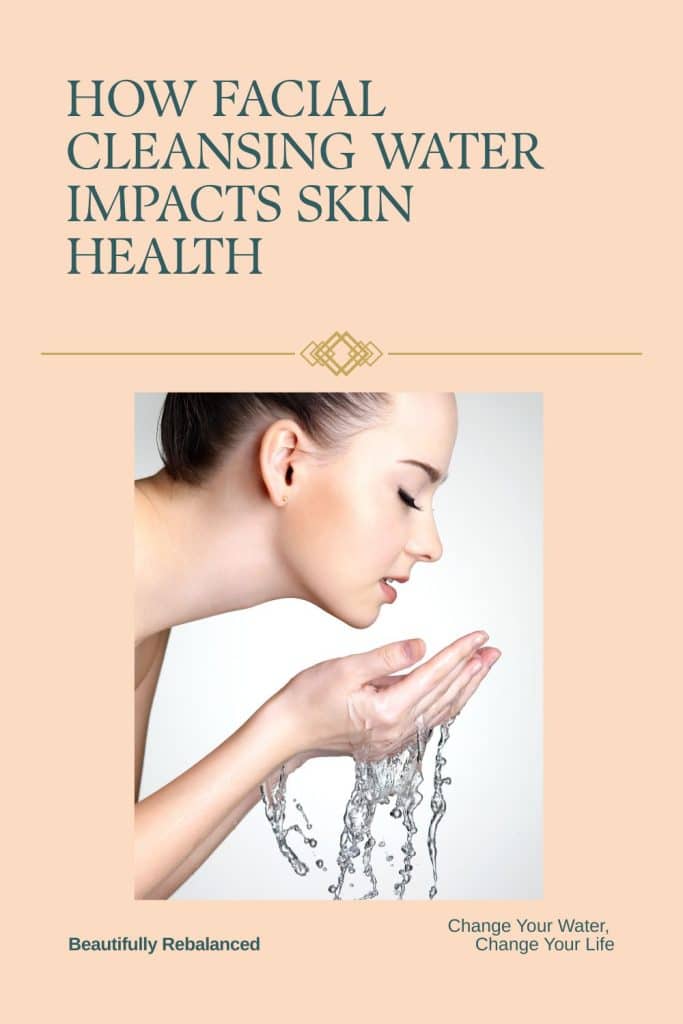

How Facial Cleansing Water Impacts Skin Health
Most skincare conversations focus on products—cleansers, serums, moisturizers, and actives. But a core element touches your skin daily and quietly affects how all these products perform: the water you use to cleanse.
For homeowners, families, and professionals who value lasting well-being over trendy fads or excess, this is an important distinction. Water is not neutral. Its pH, mineral content, and chemical treatment can either support your skin’s natural balance—or subtly disrupt it over time.
You don’t need more products or a complicated routine. It starts with understanding how different water types interact with your skin.
Why Water Isn’t Neutral for Your Skin
Your skin is protected by a delicate barrier known as the acid mantle—a thin, slightly acidic film (typically around pH 4.7–5.5) that helps retain moisture, keep irritants out, and support a healthy skin microbiome.
When this barrier is disrupted—often by alkaline or treated water—skin may become dry, tight, sensitive, or inflamed. Over time, even great skincare feels less effective if your skin’s foundation is compromised.
Water quality matters because cleansing is the foundation of most routines. What happens in those first 30–60 seconds sets the tone for everything after.
Tap Water: Standard, Accessible, and Often Overlooked
Municipal tap water is designed to be safe for consumption, not optimized for skin contact.
In many areas, tap water tends to be alkaline and contains disinfectants such as chlorine or chloramine, along with varying levels of hard minerals like calcium and magnesium. While these treatments serve an important public health role, they can have unintended effects on your skin.
Common experiences associated with tap water cleansing include:
- A tight or squeaky-clean feeling after washing
- Dryness that appears quickly, even after moisturizing
- Increased irritation for sensitive or eczema-prone skin
Hard minerals leave microscopic residue on skin, sometimes interfering with moisturizer absorption and leaving skin less clean.
Filtered Water: A Meaningful Step Toward Gentler Cleansing
Basic filtration, such as pitcher or countertop filters, can greatly improve daily water quality.
These systems typically reduce chlorine, sediment, and some heavy metals. For many, this leads to less skin dryness and irritation, creating a noticeably gentler cleansing experience.
Filtered water is often closer to neutral pH and may feel:
- Softer on the skin
- Less drying
- More comfortable for daily cleansing
Most filters don’t change mineral hardness or adjust pH. Filtration removes major irritants, but may not support the skin’s natural acidity.
For many households, filtered water is a solid, practical upgrade—especially for families seeking fewer chemical exposures without added complexity.
Intentional Beauty Water: Supporting the Skin’s Natural Balance
Some water systems remove contaminants and align water with your skin’s biology.
Beauty water is adjusted to a mildly acidic pH (4–6), which matches the skin’s acid mantle. This can help:
- Support barrier integrity
- Soothe irritation
- Create conditions less favorable to harmful bacteria.
Some systems add molecular hydrogen and change water structure, which some users say makes the water feel more effective at hydrating and restoring balance during cleansing routines.
Instead of stripping skin and relying on repair, this method makes cleansing more comfortable and supportive.
Many describe their skin as softer, calmer, and more balanced after cleansing—without extra steps.
Why the Difference Feels Subtle for Some—And Significant for Others
Responses to water quality can vary widely.
People with sensitive skin, dryness, or inflammation notice changes more quickly, such as reduced redness and increased softness. Others experience more gradual benefits, such as steady comfort, fewer flare-ups, and enhanced product results over time.
The impact is still real. Differences indicate how resilient or stressed skin already is.
For those focused on prevention, longevity, and overall wellness, these supports matter.
TL;DR – A More Thoughtful Approach to Daily Care
Upgrading your water isn’t about achieving perfection. It’s about harmonizing your habits with how your body works.
When the water touches your skin, it supports its natural balance, cleansing becomes less of a stressor—and more of a restorative ritual.
If this perspective resonates, you may enjoy exploring how intentional water choices fit into a broader, family-centered wellness approach.
Learn more at your own pace, or join my email list for ongoing, no-pressure tips on caring for your home, body, and long-term wellbeing.